Design · History · Typography
The Bauhaus: Forging the Rules of Modern Design
When the smoke of the First World War finally cleared in 1918, Europe was left physically and spiritually shattered. The old societal structures, aristocratic traditions, and the ornate, sentimental art styles of the Belle Époque seemed entirely inadequate for a world that had just torn itself apart. Society did not just need new buildings or new posters; it needed a fundamental cure for visual and cultural chaos.
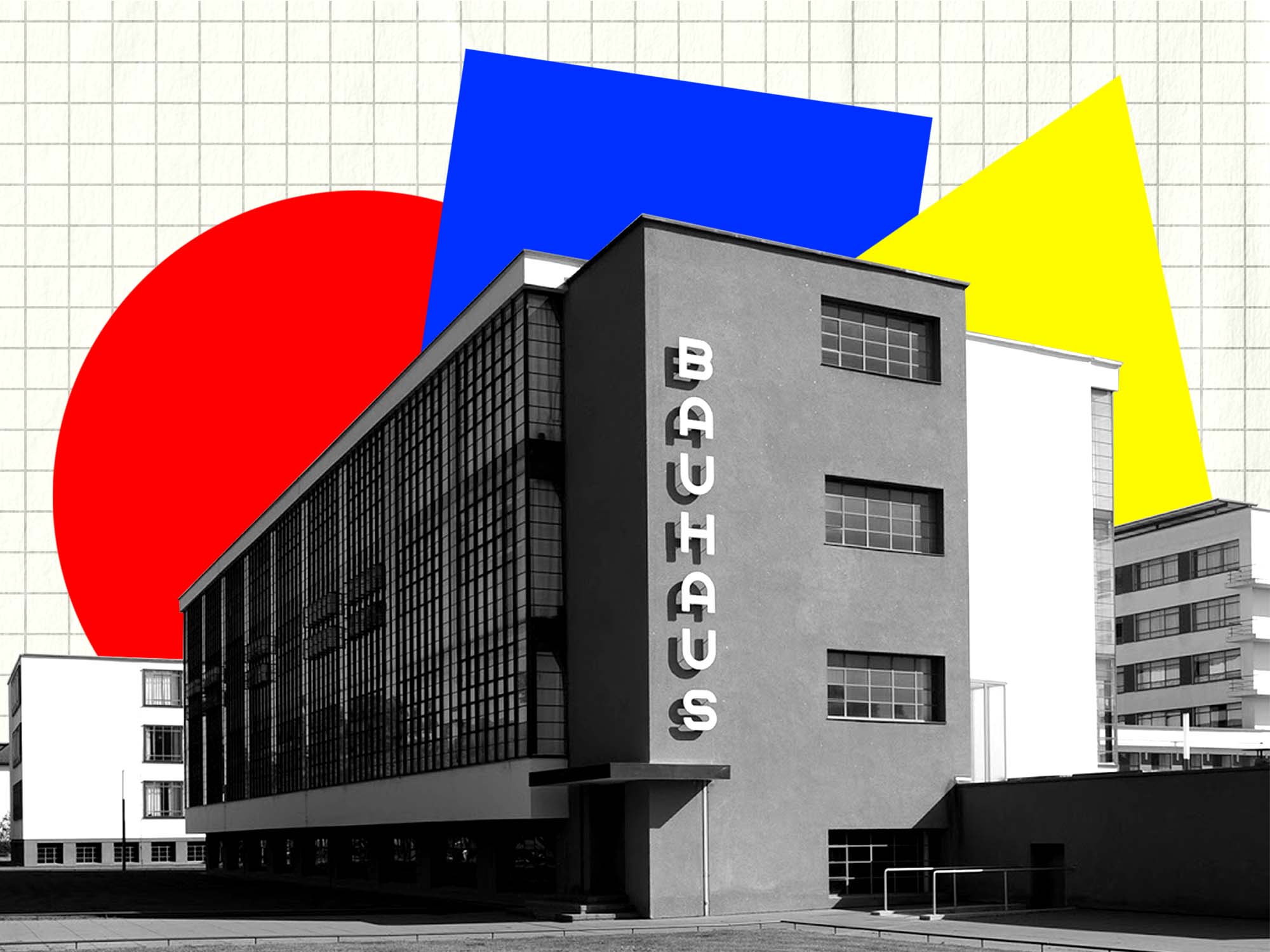
In 1919, the German architect Walter Gropius answered this call by founding a revolutionary new school in Weimar: the Bauhaus. Gropius envisioned a utopian social mission. He sought to rebuild the world by establishing a universal harmony, deliberately stripping away the elitist borders that had long separated “fine art” (like painting and sculpture) from “applied craft” (like furniture making and typography).
He believed that the soul of the artist and the efficiency of the craftsman had to be united to serve the modern age. The Bauhaus was not simply a style or a design trend. It was the ultimate laboratory for modern living, a place where the foundational rules of the visual world we navigate today were first engineered.
The Vorkurs: Unlearning the Past
In traditional European art academies of the early twentieth century, students quietly copied classical plaster casts. The Bauhaus, however, demanded a complete break from the past. Before any student was allowed to design a poster, build a chair, or weave a textile, they were required to pass through the Vorkurs, or preliminary course. Pioneered by the eccentric Johannes Itten, the Vorkurs was a radical educational foundation designed to force students to unlearn their preconceived habits.
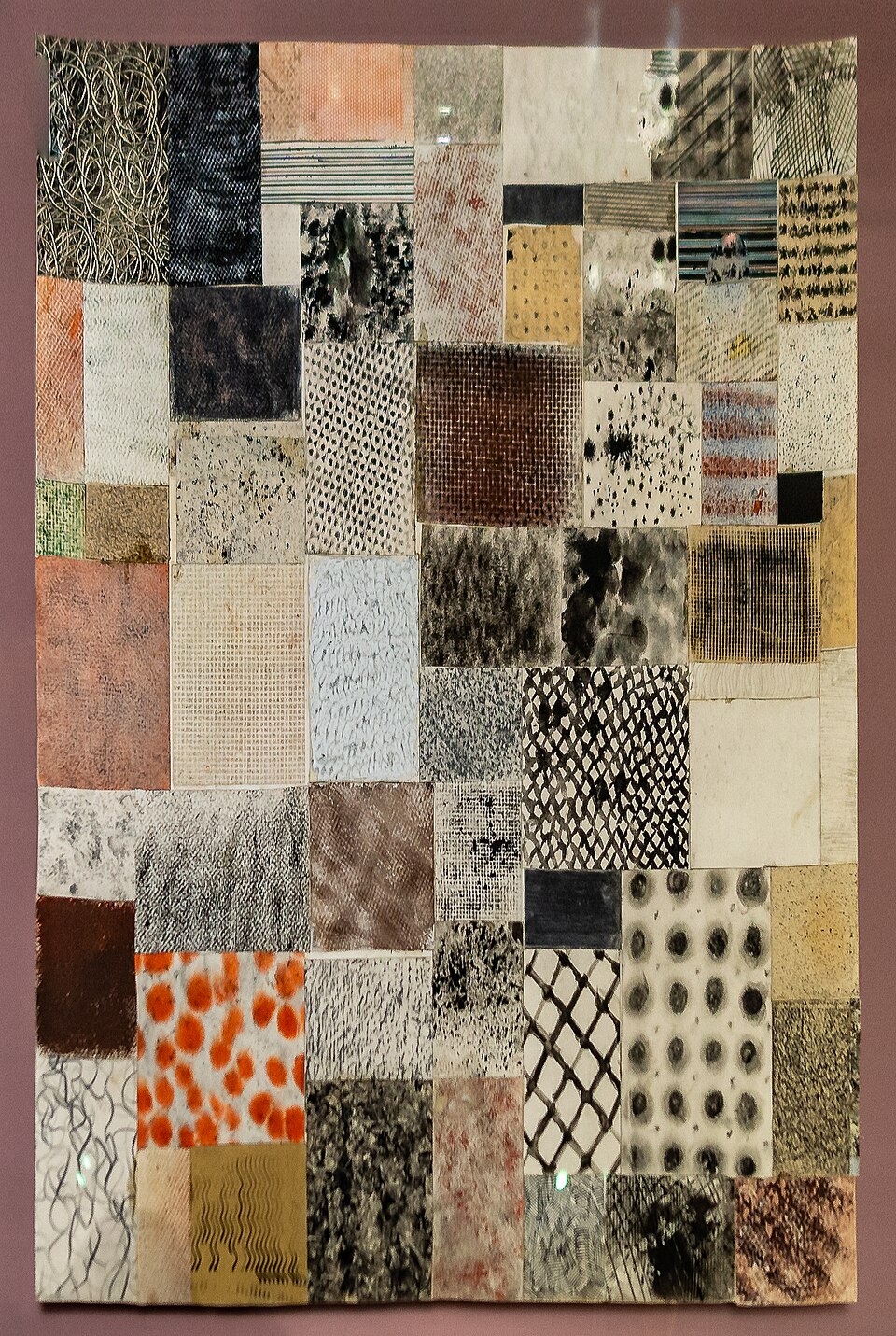
Heavily influenced by mysticism, Itten believed that true creativity could only come from direct, uninhibited experience. His goal was to release each student’s individual creative abilities by focusing on the fundamental principles of design. Students were tasked with exploring the visual contrasts of color and shape, and mastering an intimate understanding of the physical nature of materials. This environment bridged the gap between fine art and physical craft.

Itten’s preliminary course established the very concept of “Design 101” as it is taught in art schools globally today. It ensured that every designer who passed through the Bauhaus understood the raw materials of their craft on a visceral level before they ever attempted to solve a commercial problem.
Art Meets the Machine
By 1923, the mystical, handicraft-heavy approach of the school’s early Weimar years began to clash with the harsh economic realities of post-war Germany. Facing pressure from the government to prove the school’s practical value, Gropius organized a major exhibition and officially pivoted the Bauhaus philosophy. The new slogan became: “Art and Technology, a New Unity“.
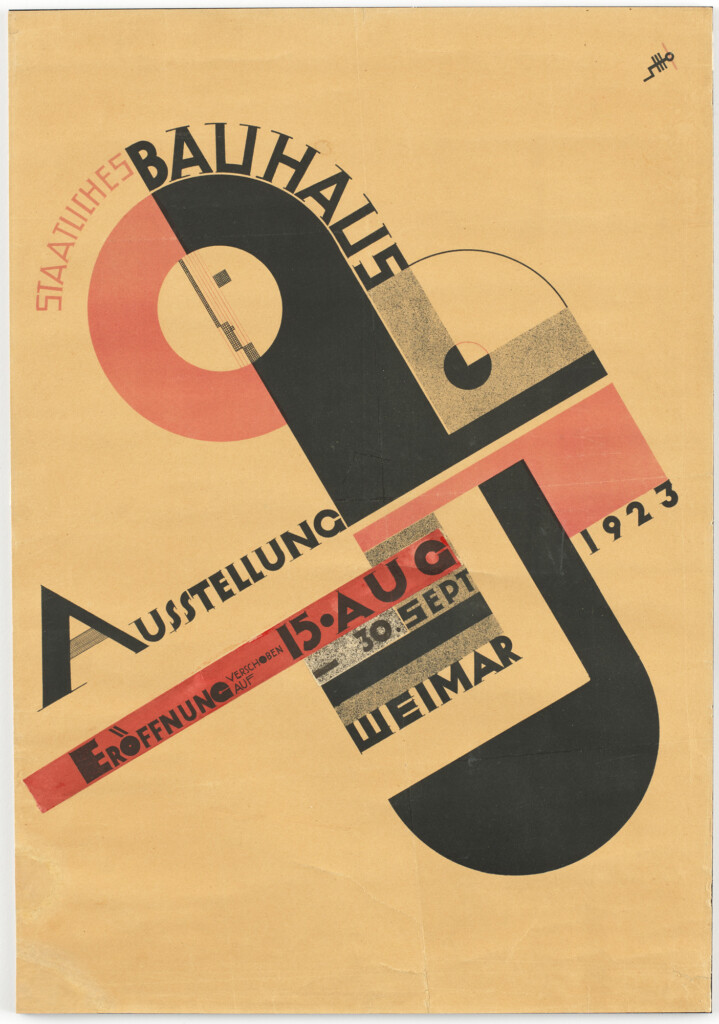
This 1923 exhibition was a spectacular collision of ideas, serving as a massive synthesis of the era’s avant-garde experiments, absorbing the spiritual, mathematical purity of Dutch De Stijl and the functional, aggressive geometry of Russian Constructivism. This marked a definitive shift toward industrial design and objective communication. Johannes Itten departed, and the brilliant Hungarian constructivist László Moholy-Nagy joined the faculty. Moholy-Nagy brought with him a relentless passion for the machine aesthetic. He championed the concept of the “typophoto“—the objective integration of word and image.
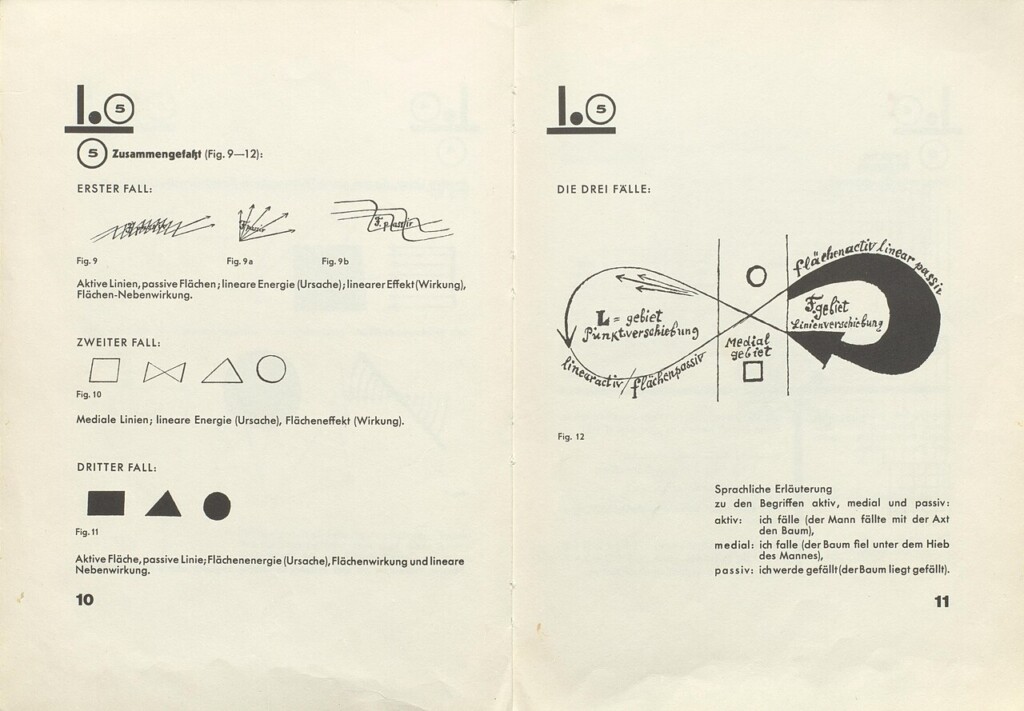
Under his influence, the Bauhaus abandoned expressionist, hand-drawn illustration in favor of photography. Photography, Moholy-Nagy argued, was the true visual language of the machine age, capable of delivering factual, high-speed communication without the subjective interference of the artist’s hand. This philosophy was perfectly executed in his highly influential dust jacket and brochure designs for the Bauhausbücher (Bauhaus books), where strict typographic grids were seamlessly integrated with objective photography. The school was no longer just making art; it was engineering visual information.
Form Follows Function & The Universal Alphabet
In 1925, facing mounting political pressure in Weimar, the Bauhaus moved to a spectacular, custom-built factory campus in Dessau, designed by Gropius himself.

It was here that the graphic design breakthroughs of the school reached their zenith. Herbert Bayer, a former student who became a master of the typography and graphic design workshop, pushed the concept of functionalism to its absolute extreme. Bayer argued that the traditional German Blackletter typefaces were archaic and illegible. Furthermore, he questioned why society used two entirely different alphabets—uppercase and lowercase—to represent the exact same sounds. His solution was the “Universal Alphabet“.
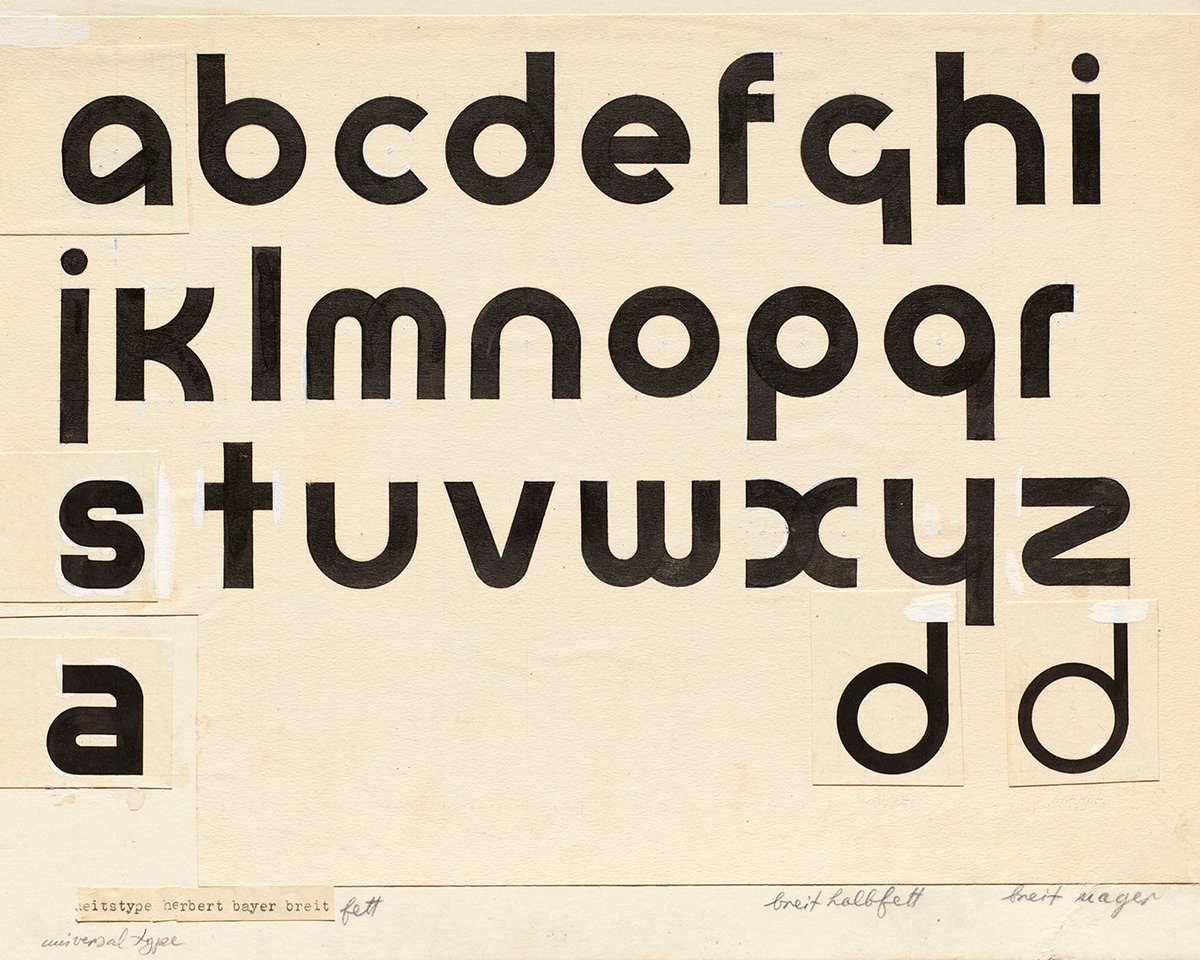
Bayer designed a purely geometric sans-serif typeface and dropped capital letters completely. It was a radical challenge to centuries of reading tradition, but the logic was undeniable: eliminating capital letters saved time in typing, saved ink in printing, and created a cleaner visual block of text. Form had to follow function.
While Bayer was experimenting inside the Bauhaus, a young designer named Jan Tschichold was deeply affected by the 1923 Bauhaus exhibition. The experience changed his life. Tschichold absorbed the fragmented, avant-garde experiments of the Bauhaus masters, Constructivists, and De Stijl artists, and he set out to codify them into a practical system for the everyday printing industry.
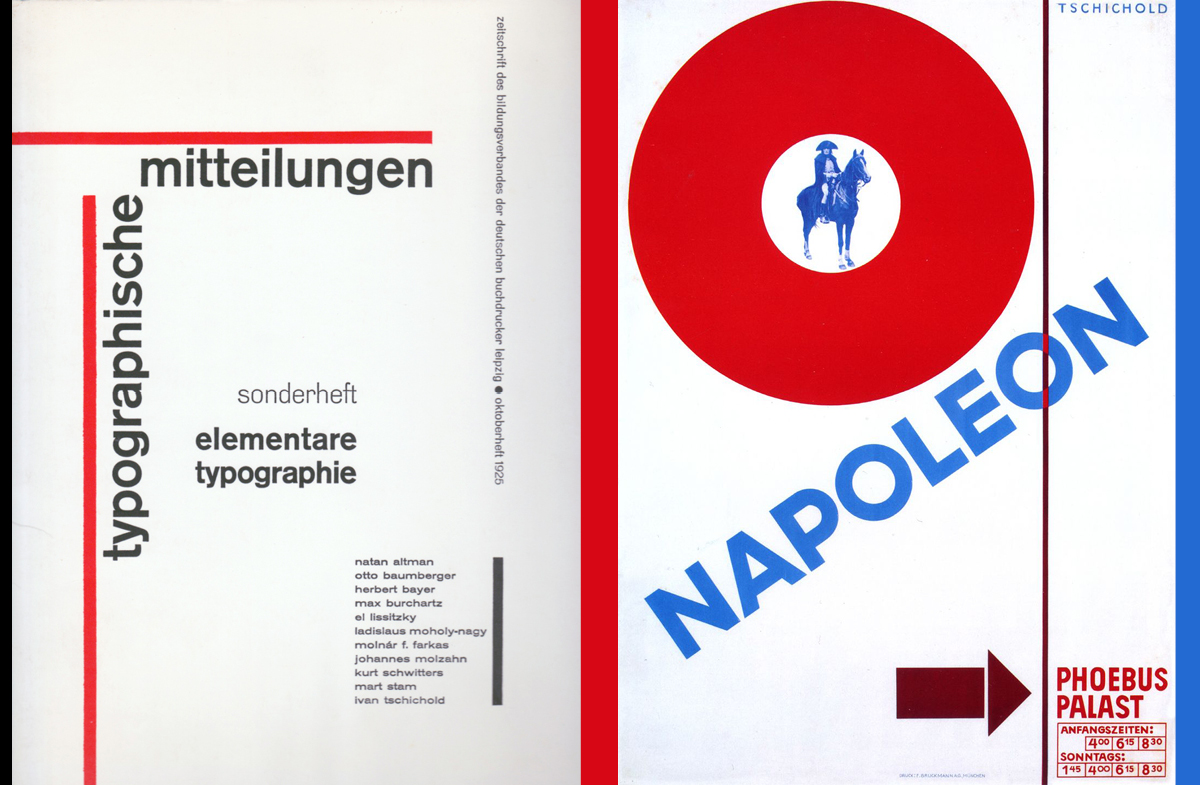
In 1928, he published his landmark book, Die neue Typographie (The New Typography). Tschichold was disgusted with “degenerate typefaces” and sought to wipe the slate clean, advocating for asymmetrical balance, dynamic grid systems, and the exclusive use of sans-serif fonts to express the spirit of the modern age. He declared that the aim of every typographic work was the delivery of a message in the shortest, most efficient manner. Through Tschichold’s rulebook, the elite, gallery-level concepts of the Bauhaus were translated into the commercial graphic design rules that govern our magazines, websites, and interfaces today.
The Flight to the Future
The Bauhaus successfully engineered a universal language of design, but this absolute rationality became a profound threat to the rising tide of fascism in Germany. Adolf Hitler and the Nazi regime violently rejected avant-garde modernism, preferring idealized, traditional realism that could be easily manipulated for nationalist mythology.
Deeming the geometric, progressive work of the Bauhaus “degenerate”, the Gestapo forced the school to close its doors in 1933. However, this act of cultural suppression inadvertently triggered a global design revolution. By shutting down the physical laboratory, the Nazis scattered its masters across the globe. Gropius, Moholy-Nagy, Bayer, and many others fled, bringing their strict, functionalist philosophy across the Atlantic to a booming, capitalist America.
In the United States, this austere avant-garde aesthetic would be demobilized from its utopian socialist origins and injected with immense corporate wealth, industrial speed, and commercial luxury. The seeds planted by the Bauhaus were about to blossom into the sleek, aerodynamic skyscrapers and glamorous branding of our next era: Art Deco & American Modernism.
More writing
The Architecture of Information: Swiss Design and the Grid
After World War II, a rapidly globalizing world needed a universal visual language that could cross borders without cultural misunderstandings. Explore how the pioneers of Swiss Design stripped…
Art Directing America: The Golden Age of Editorial Design
In the post-war era, American art directors broke free from traditional grids to turn the printed page into a cinematic, cultural experience. Explore how the visionary minds of…
Designing the Corporation: American Modernism and the Rise of Visual Systems
In the post-war era, American businesses rapidly evolved into massive multinational corporations that demanded rigorous visual order. Explore how modernist designers like Paul Rand and Lester Beall tamed…