Design · History · Typography
Art Deco: Streamlined Glamour
While the Bauhaus forged a strict, functional design language from the ashes of global devastation, the rest of the world was entering an entirely different kind of revolution. The economic boom of the 1920s unleashed a torrent of capitalist energy, luxury, and unprecedented industrial speed. Society did not just want to rebuild; it wanted to accelerate.
The world was suddenly moving faster than ever before in human history. The roaring engines of biplanes, the towering steel hulls of transatlantic ocean liners, and the thundering momentum of locomotives were actively transforming the rhythm of daily life.
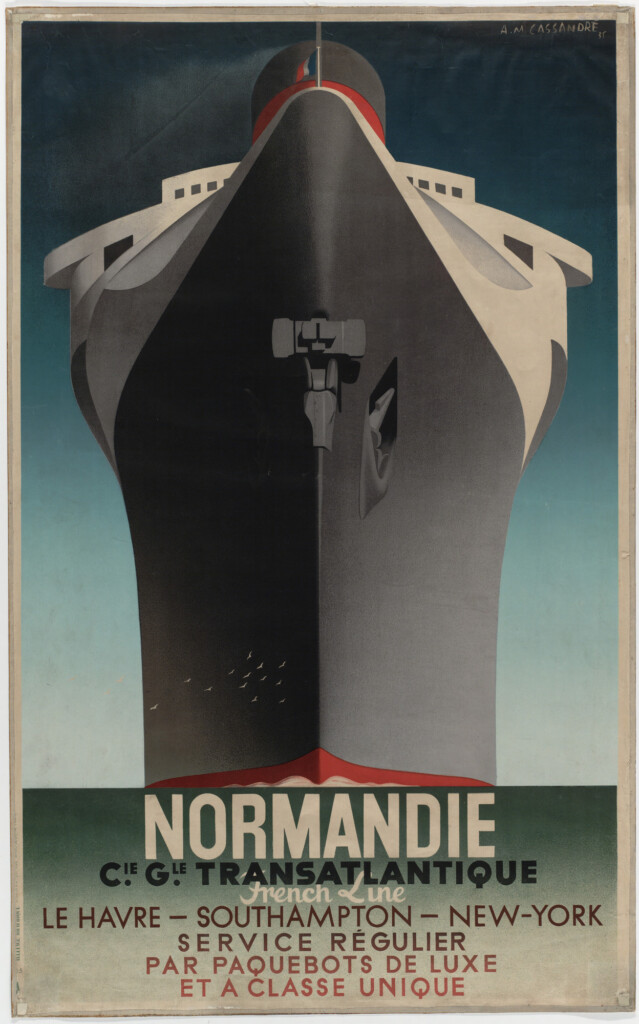
To keep pace with this thrilling acceleration, the visual landscape had to evolve. The winding, organic tendrils and melancholic maidens of the Art Nouveau era were abruptly cast aside. In their place, the public demanded a visual language that felt as sleek, aerodynamic, and polished as the new machines they were riding.
This aesthetic thirst gave rise to Art Deco, a movement that took the cold, rational geometry of the avant-garde and cloaked it in chrome, velvet, and streamlined glamour. While towering skyscrapers like the Chrysler Building are often celebrated as the ultimate monuments of this era, the true engine of Art Deco’s global dominance was the printing press.

Here, the commercial poster was elevated to a monumental, architectural scale, transforming the modern cityscape into a high-speed gallery of luxury and progress.
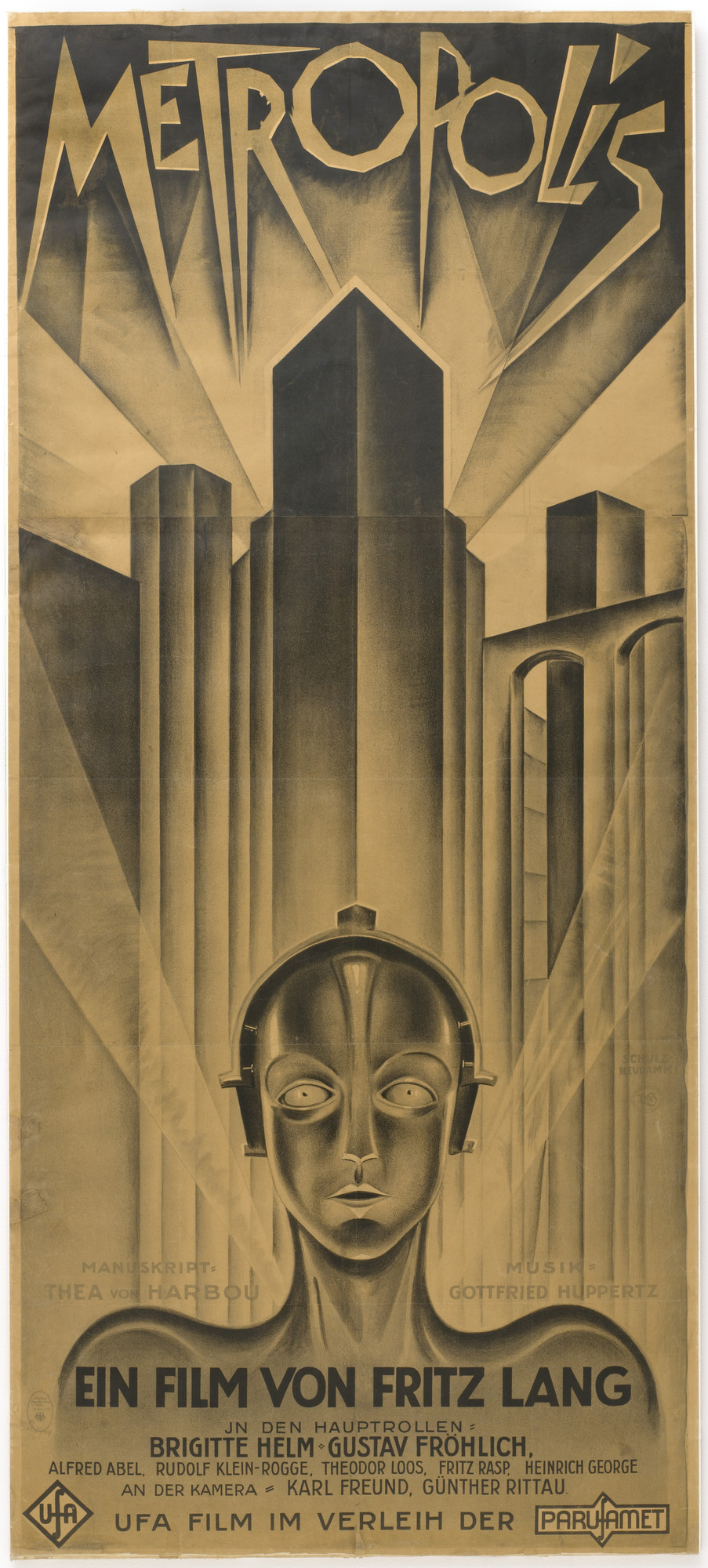
Cubism Meets Commerce
To understand Art Deco, we must look backward to the fragmented, avant-garde experiments of the 1910s. In the fine art galleries of Paris, Cubism had shattered the traditional rules of perspective, breaking down the physical world into sharp, overlapping geometric planes. For years, this radical abstraction remained an intellectual exercise reserved for the elite. However, following the trauma of the First World War, the pictorial influence of Cubism became manifest at a popular level. The transition from the elite gallery to the commercial street corner was sudden and absolute.
Pioneering graphic designers were among the first to recognize the communicative power of this new geometry. The early posters of E. McKnight Kauffer in England serve as some of the best examples of this transition. Designers like Kauffer took the aggressive, fragmented shards of Cubist painting and smoothed out their rough edges. By prioritizing legibility, stark symmetry, and flat colors, they translated the chaotic energy of the avant-garde into a highly decorative, accessible, and commercially viable style.
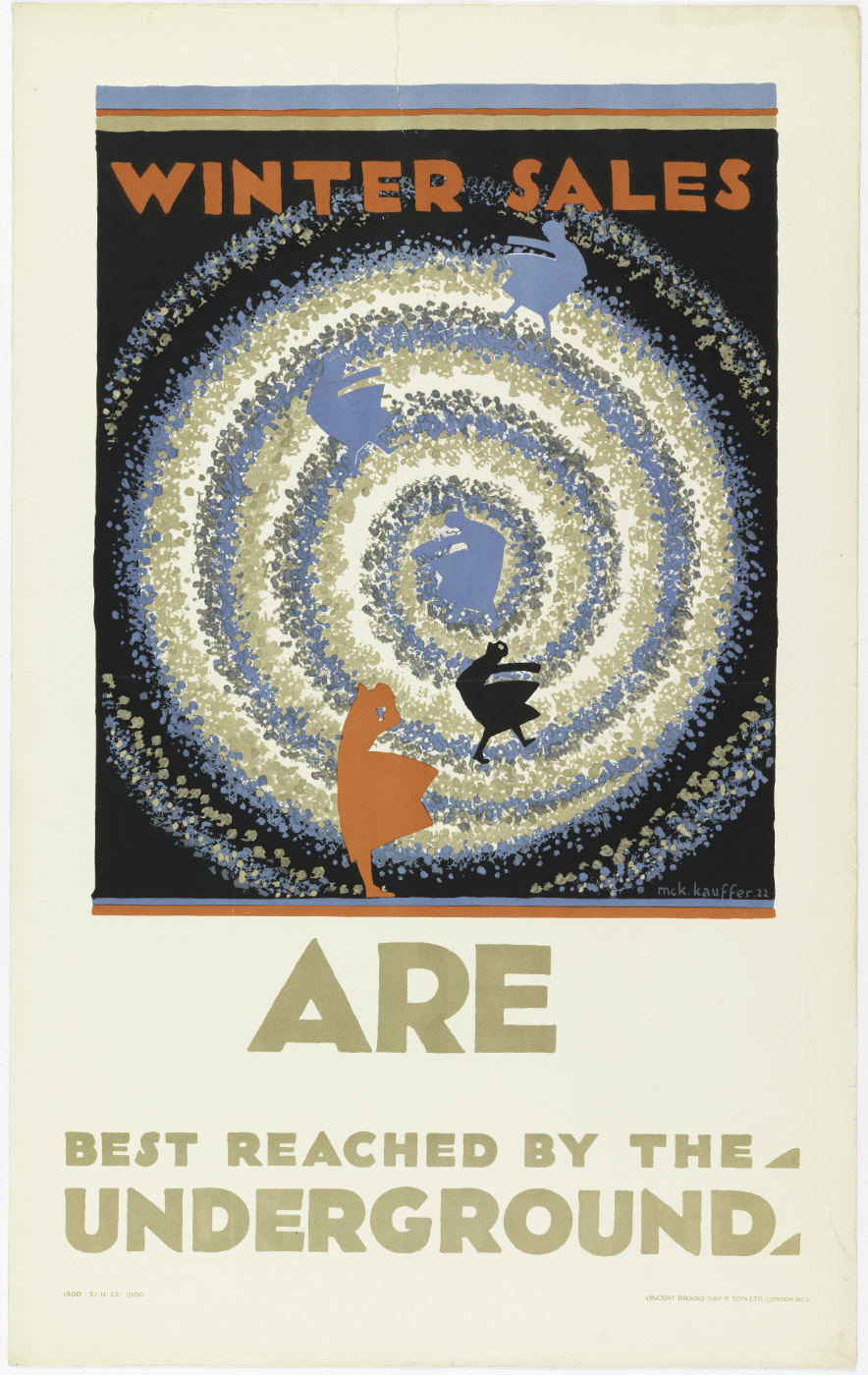
This new, stylized realism allowed designers to communicate complex ideas with an unprecedented visual punch. It was a perfect marriage: the avant-garde provided the structural foundation, while the booming consumer market provided the glamorous subject matter. Art Deco became the visual embodiment of 1920s optimism—a visual language perfectly engineered to sell everything from haute couture to high-speed travel to a public hungry for the future.
A.M. Cassandre and the Architecture of the Poster
The sheer power of Art Deco graphic design crystallized in Paris, where the movement officially gained its name from the 1925 Exposition Internationale des Arts Décoratifs et Industriels Modernes. It was here, in the heart of the French advertising world, that a young designer named Adolphe Jean-Marie Mouron—better known by his pseudonym, A.M. Cassandre—revolutionized the medium.
Cassandre approached graphic design with the mindset of an architect. He rejected the illustrative, painterly traditions of the past, insisting that a poster must be built, not simply drawn. He masterfully integrated typography directly into the geometric structure of the image, utilizing severe grids and monumental scale to ensure that word and picture functioned as a single, indivisible unit. He understood that in the modern city, a poster was competing against the overwhelming visual noise of traffic and architecture.
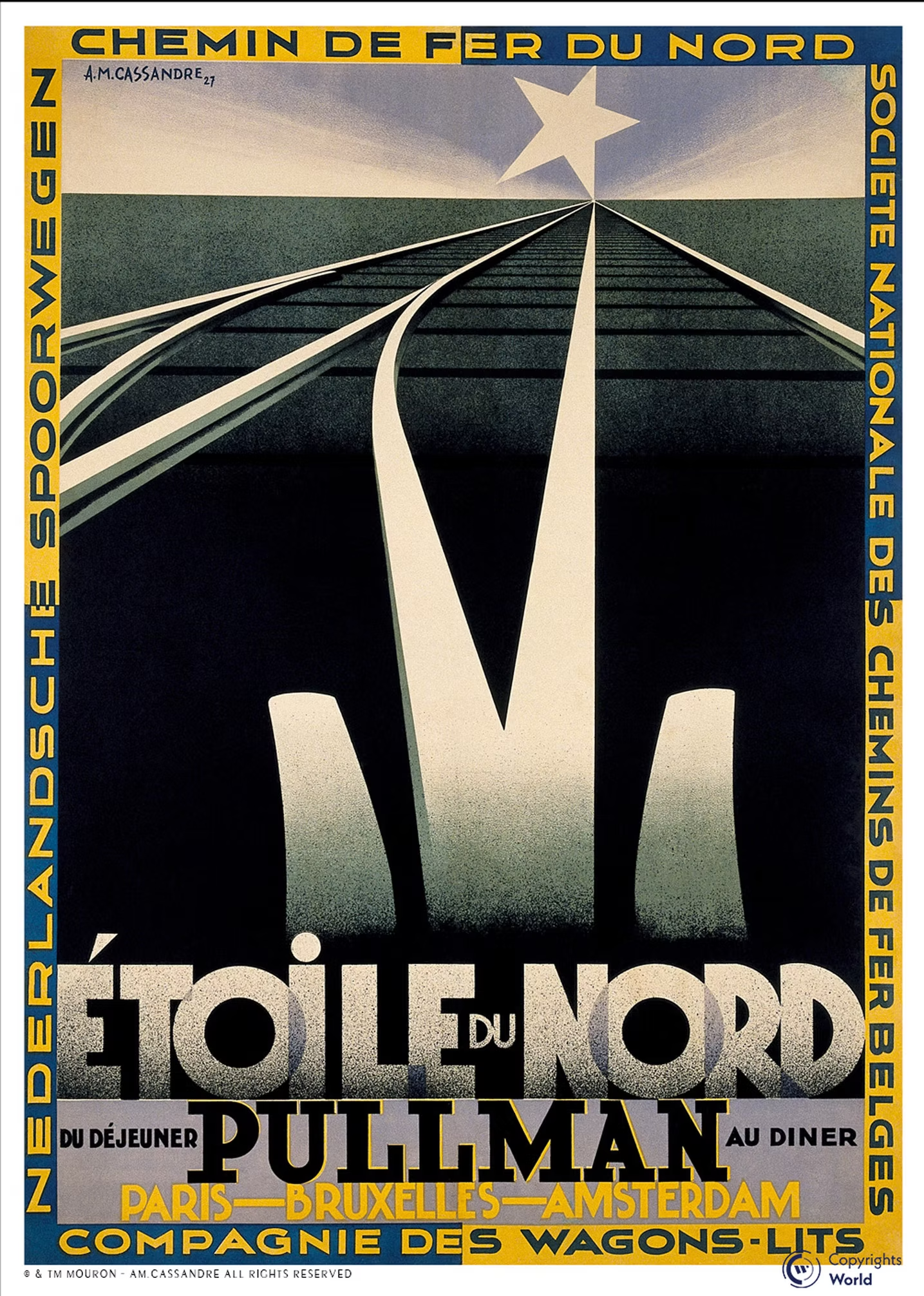
In his masterpiece Étoile du Nord (1927), Cassandre used abstract geometry and an extreme, plunging perspective to convey an intangible aspect of travel: the promise that distant destinations offer thrilling new experiences. The typography does not merely sit on top of the image; it forms the structural foundation of the tracks themselves, locking the viewer’s eye into a relentless journey toward the glowing star at the horizon.
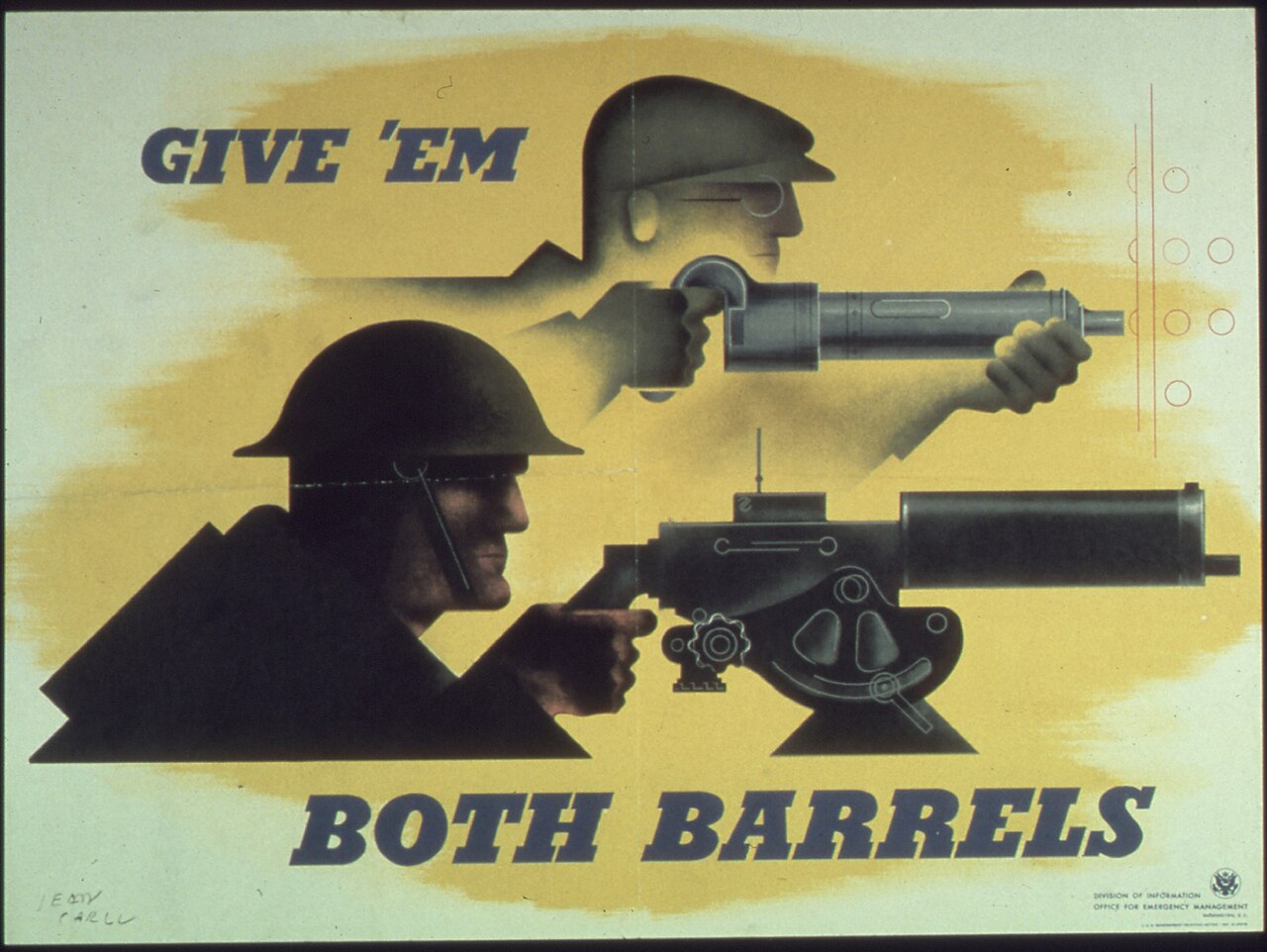
Other French designers, like Jean Carlu, brought a near-scientific exactness to their work, recognizing that sharp, aggressive angles triggered tension and alertness, while sweeping curves transmitted ease and comfort. Carlu sought to convey the essence of the message by avoiding the use of “two lines where one would do” or expressing “two ideas where one will deliver the message more forcefully.” He even conducted experiments with posters moving past spectators at varying speeds so that message legibility and impact could be assessed and documented in the chaotic urban environment.
Selling Speed
The defining obsession of the Art Deco era was velocity. As the world shrank due to rapid advancements in mass transit, the travel and transportation industries became the most prominent and lucrative patrons of graphic design. Designers were tasked with capturing the romanticism of travel and the sheer, terrifying beauty of modern machinery.
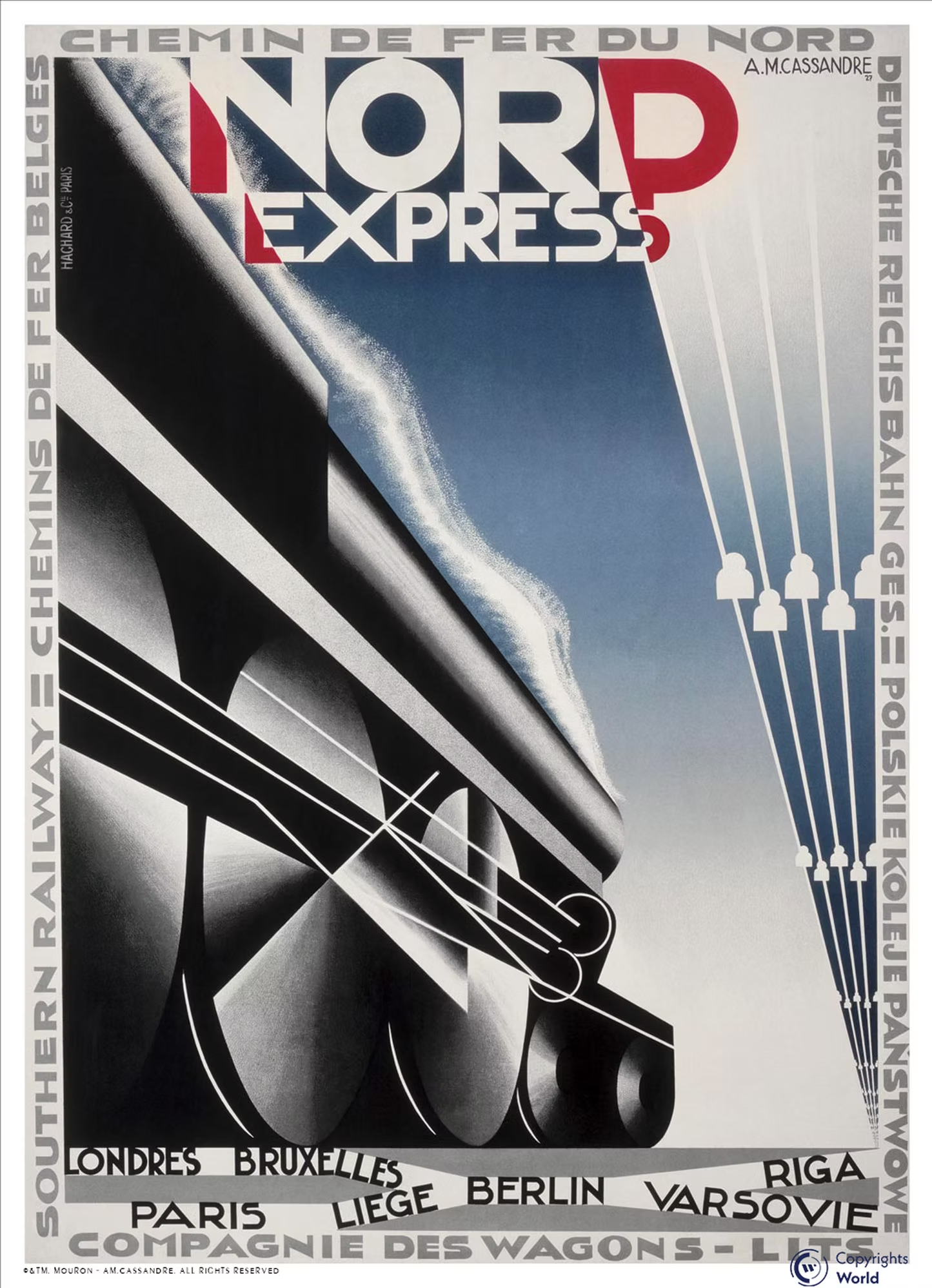
Cassandre’s poster Nord Express (1927) is a masterclass in selling speed. Through the use of extreme, low-angle perspectives, stark geometric forms, and airbrushed gradients, Cassandre transformed a simple train into a towering, unstoppable force of the future. The locomotive slices aggressively through the picture plane, its massive wheels and streamlined boiler rendered as abstract, interconnected cylinders and planes. The typography, boldly integrated into the sky above and the tracks below, reinforces the rigid, mechanical rhythm of the machine. The telegraph wires sweeping down the right side of the composition act as speed lines, propelling the massive train forward.
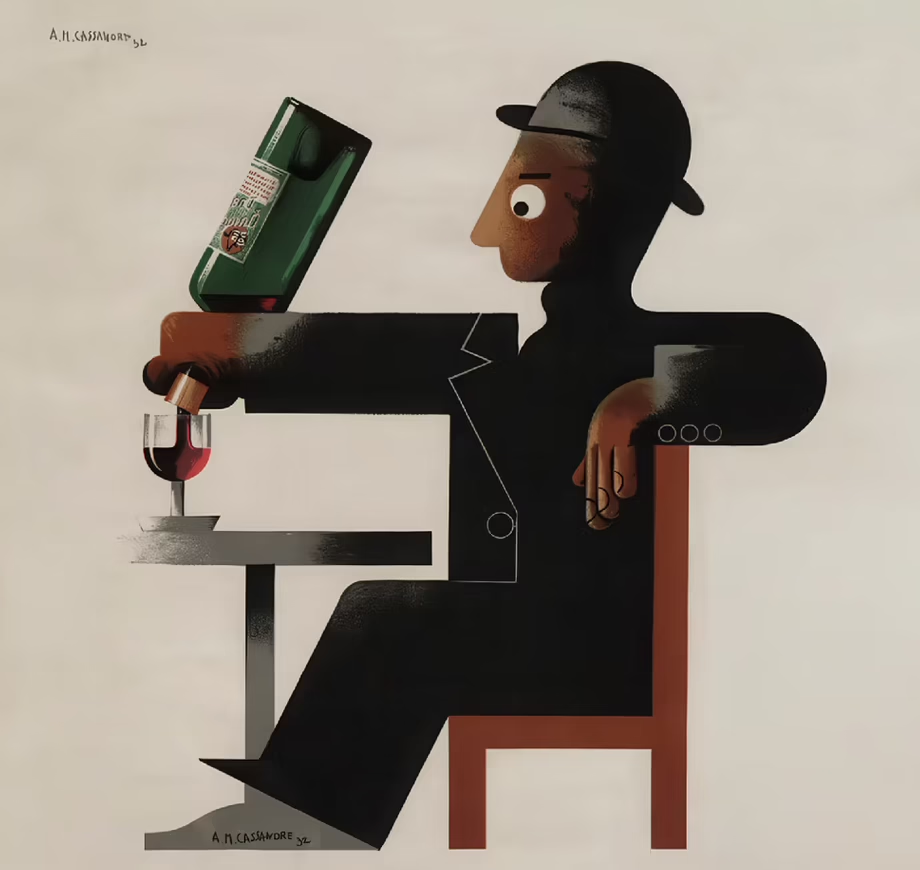
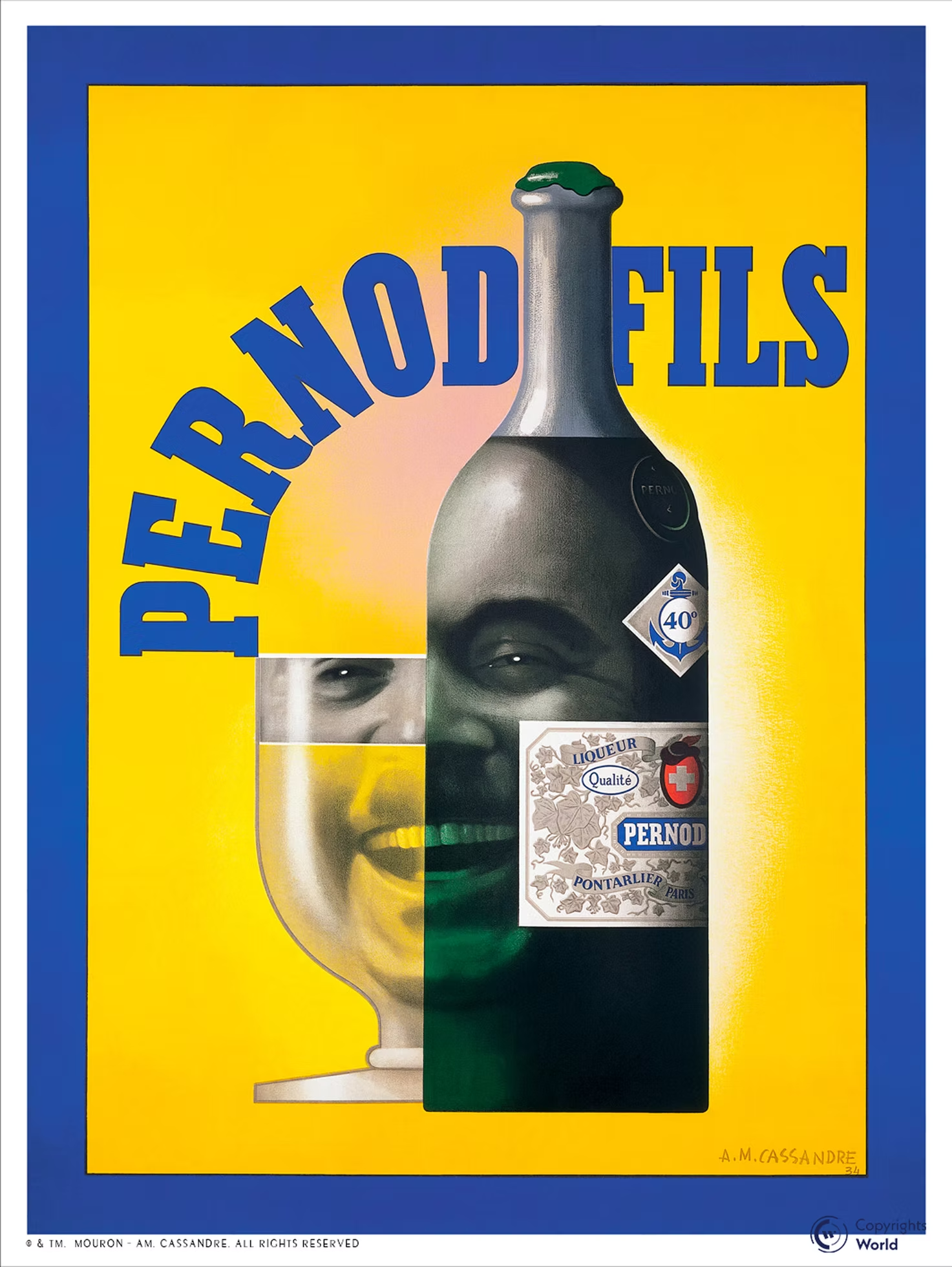
He applied this same monumental approach to other facets of the machine age. In posters like L.M.S. Best Way (1928) and La Route Bleue (1929), the vehicles are rendered as massive, sculptural entities dominating the landscape. In his iconic advertisement for the aperitif Pernod Fils (1934), Cassandre merged product packaging with surreal, geometric portraiture to create an inescapable, hypnotic focal point. Through these works, the machine aesthetic was entirely normalized for the public. This was no longer just commercial art; it was the precise, calculated engineering of human desire.
A Glamorous Bridge to the Future
Art Deco successfully achieved what earlier, more radical avant-garde movements could not: it merged the strict, mathematical rules of modernism with immense commercial appeal. By repackaging the fragmented geometry of Cubism into a sleek, streamlined aesthetic, designers like Cassandre, Kauffer, and Carlu captured the speed, luxury, and intoxicating optimism of the Roaring Twenties. They proved that the grid did not have to be cold and austere; it could be breathtakingly glamorous.
However, this golden age of European luxury was destined to be short-lived. As the catastrophic economic collapse of the Great Depression took hold, and the dark clouds of the Second World War began to gather over the continent, the frivolous, extravagant world of Art Deco came to a grinding halt.
But the visual mechanics of persuasion that had been perfected during this era did not disappear. Instead, the sleek, aerodynamic tactics of Art Deco crossed the Atlantic. In the booming, post-war United States, this fusion of avant-garde geometry and corporate wealth would evolve, setting the stage for the powerful, concept-driven “Big Ideas” of our next era: American Modernism & Corporate Identity.
More writing
The Architecture of Information: Swiss Design and the Grid
After World War II, a rapidly globalizing world needed a universal visual language that could cross borders without cultural misunderstandings. Explore how the pioneers of Swiss Design stripped…
Art Directing America: The Golden Age of Editorial Design
In the post-war era, American art directors broke free from traditional grids to turn the printed page into a cinematic, cultural experience. Explore how the visionary minds of…
Designing the Corporation: American Modernism and the Rise of Visual Systems
In the post-war era, American businesses rapidly evolved into massive multinational corporations that demanded rigorous visual order. Explore how modernist designers like Paul Rand and Lester Beall tamed…