Global Design · Graphic Design History · Print History · Typography
The Eastern Origins of the Modern Page
Long before Gutenberg developed the printing press, the foundations of the modern page were being masterfully engineered in the East. Discover how Chinese papermaking, Korean modular typography, and the kinetic rhythm of Islamic calligraphy revolutionized visual communication and paved the way for modern graphic design.
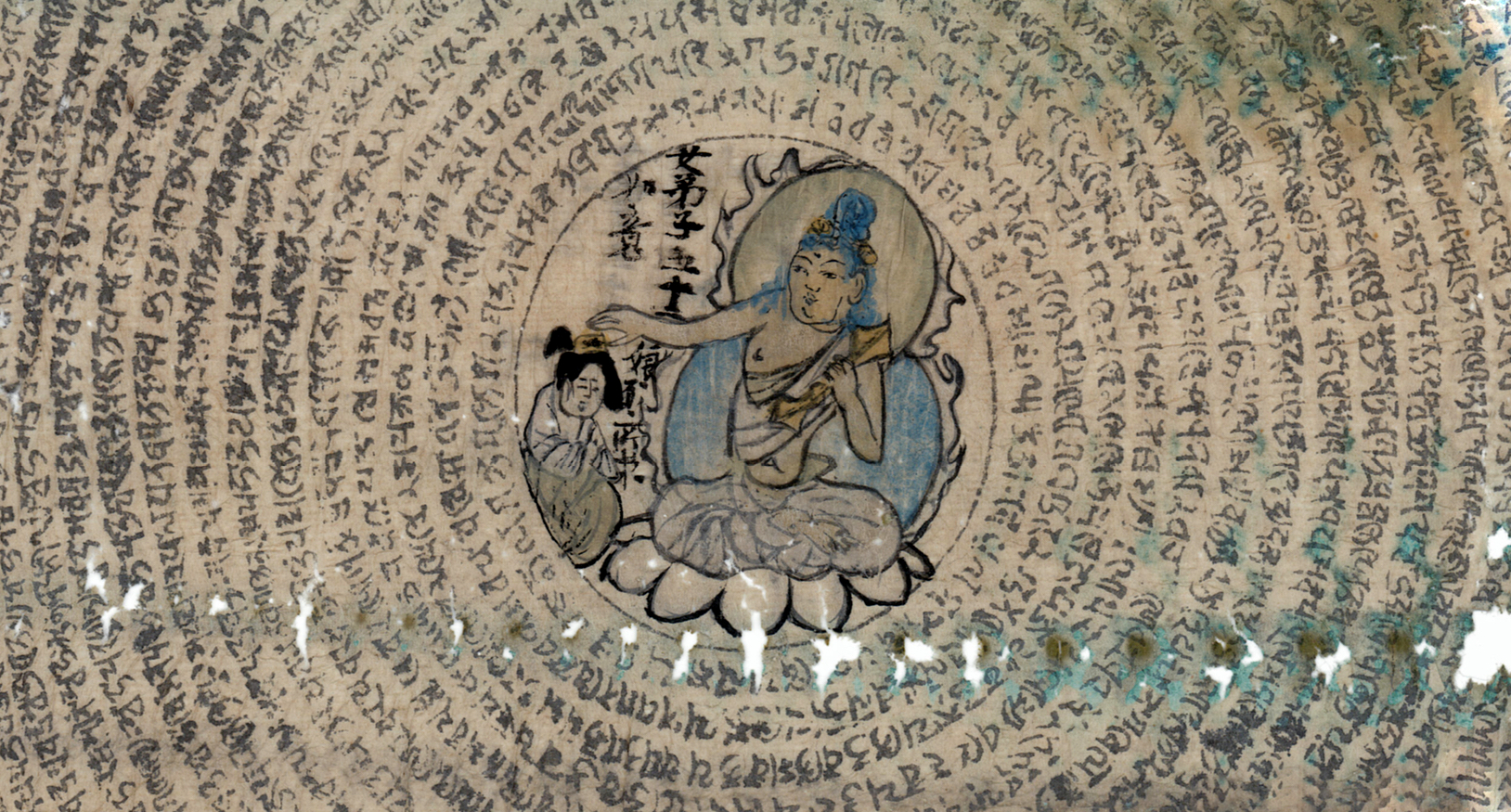
The ancient Mediterranean gave us the alphabet, fundamentally changing how humanity recorded its spoken words. However, early visual language was trapped by the very materials used to carry it. The alphabets and pictographs of antiquity were carved into the heavy stone walls of temples or pressed into the weighty clay tablets of Mesopotamia using cuneiform styluses.
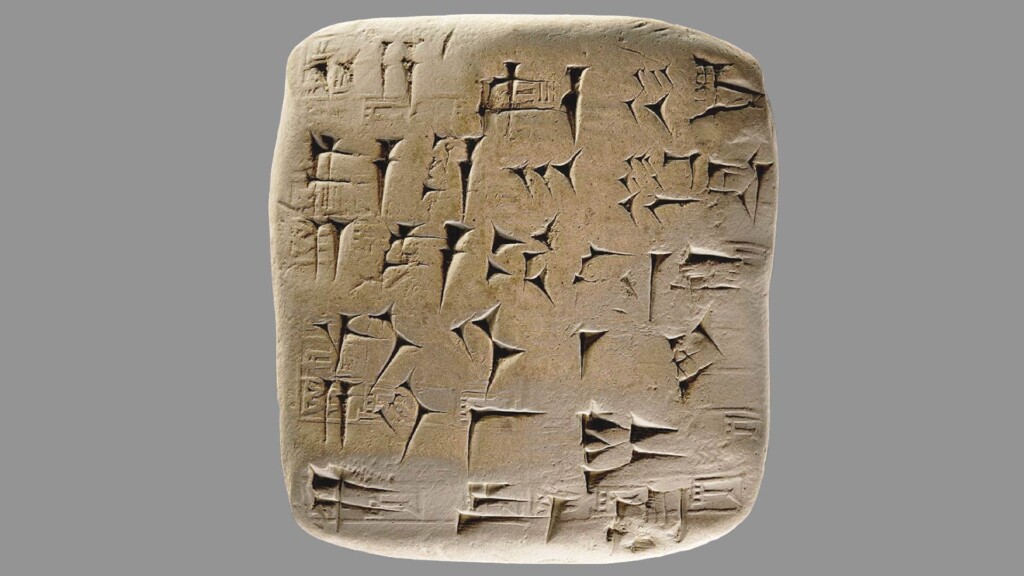
These early substrates were incredibly durable, but they were entirely unwieldy. A clay tablet could not be easily folded, transported, or mass-distributed. Even as civilizations evolved to use papyrus scrolls along the Nile, the material remained fragile and difficult to produce. Later, the West turned to parchment and vellum—made from the treated skins of domestic animals—but this was a staggering luxury. Because the physical vehicle for carrying information was so heavy, expensive, and difficult to transport, knowledge remained fiercely restricted to a privileged few. To truly spread, visual communication required a lighter, more economical vehicle.
The Catalyst of 105 AD
To find the solution to this physical limitation, we must shift our gaze toward ancient China. It was here that a brilliant technological leap provided one of the essential foundations of the modern page: the invention of paper. Historical records attribute this world-changing invention to a Chinese government official named Cai Lun around 105 AD. By mashing together natural fibers like mulberry bark, hemp, and rags, and pressing them into thin, dried sheets, Cai Lun and his contemporaries created a revolutionary new substrate.
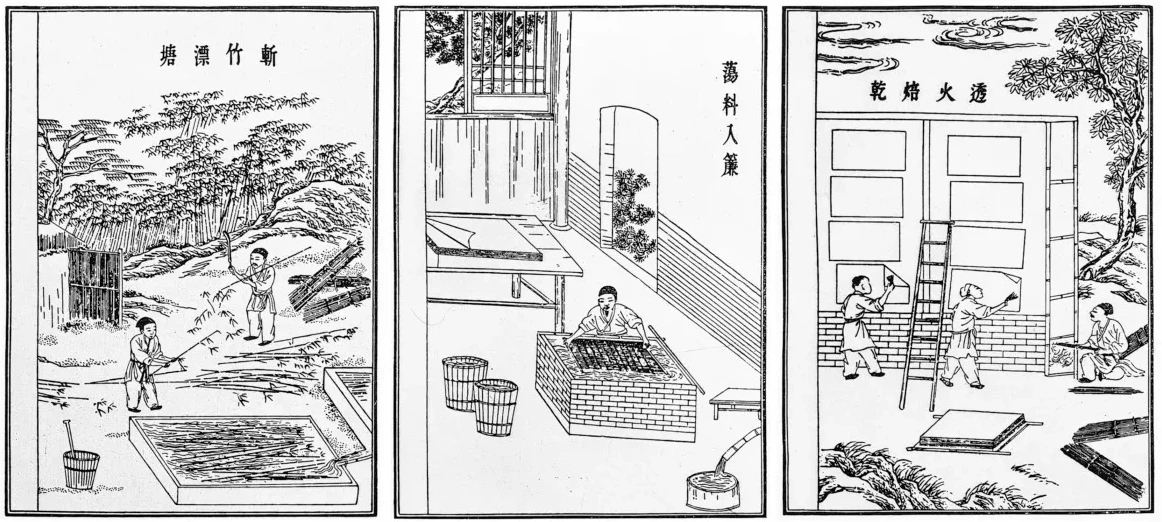
Unlike clay or stone, paper was lightweight, foldable, and remarkably economical to produce. It was the first highly adaptable, economical canvas for visual communication. We can think of the invention of paper much like the invention of the modern digital screen—it was a dynamic platform that suddenly made the rapid transmission of visual and textual information possible. Without this essential substrate — and its deeply rooted eastern origins — the widespread expansion of knowledge that defined later centuries would not have been possible.
Woodblocks and the Mechanics of Printing
Once the Chinese had a lightweight canvas, it was only a matter of time before they revolutionized how to put marks upon it. The introduction of paper quickly led to the invention of relief woodblock printing. By carving away the negative space on a block of wood and inking the raised surface, early craftsmen established the mechanical foundations of printing long before the European Renaissance.
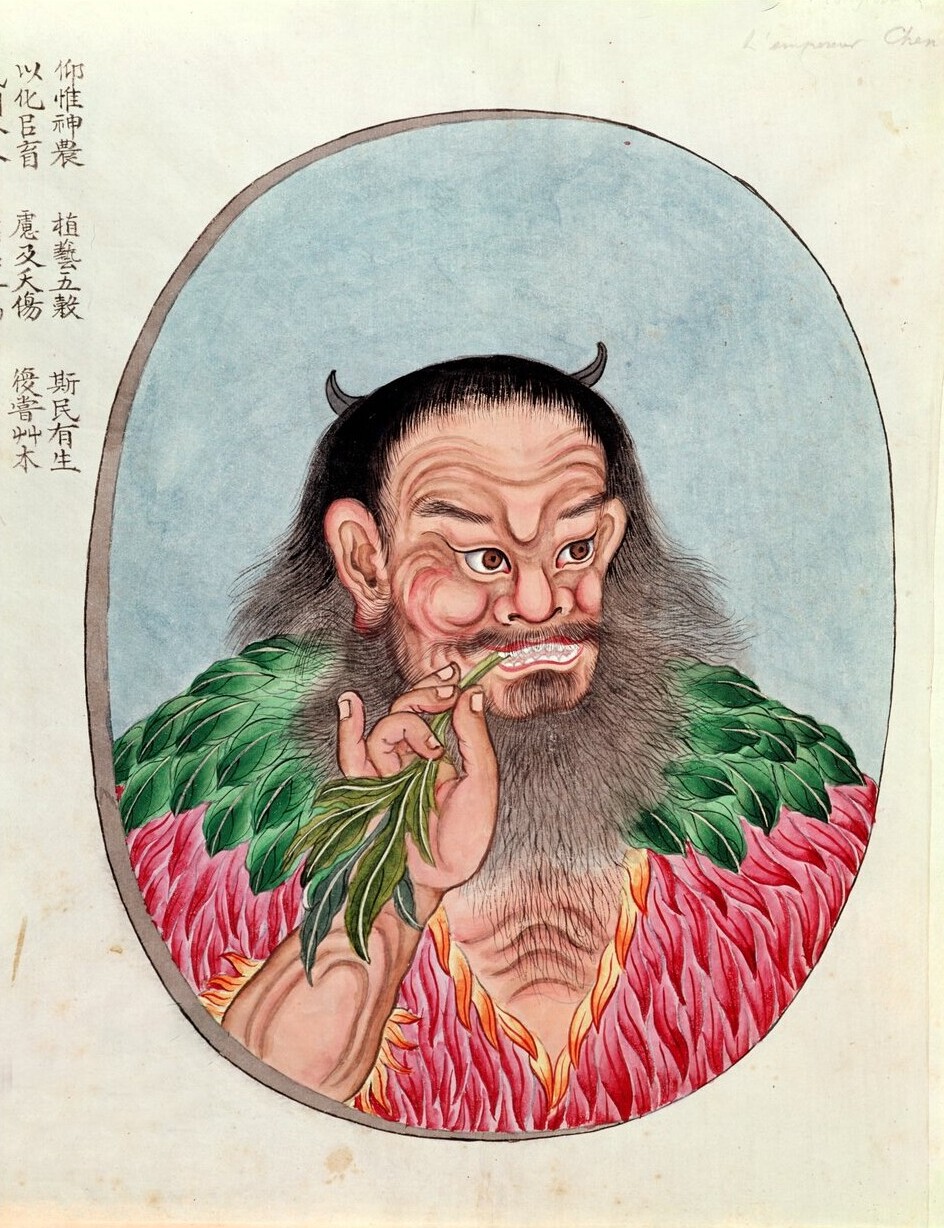
This led to the mass-reproduction of visual and textual information. We see early glimpses of structured page layout in the Pen Ts’ao medical herbal, which utilized ruled lines and designated spaces for text and illustration—a direct precursor to the editorial grids we use today. We also see the power of visual symbols in the mass production of Chinese playing cards. Because these printed cards introduced the general public to symbol recognition, sequencing, and logical deduction, their intrinsic design value far transcended idle entertainment. They were early exercises in mass visual communication.
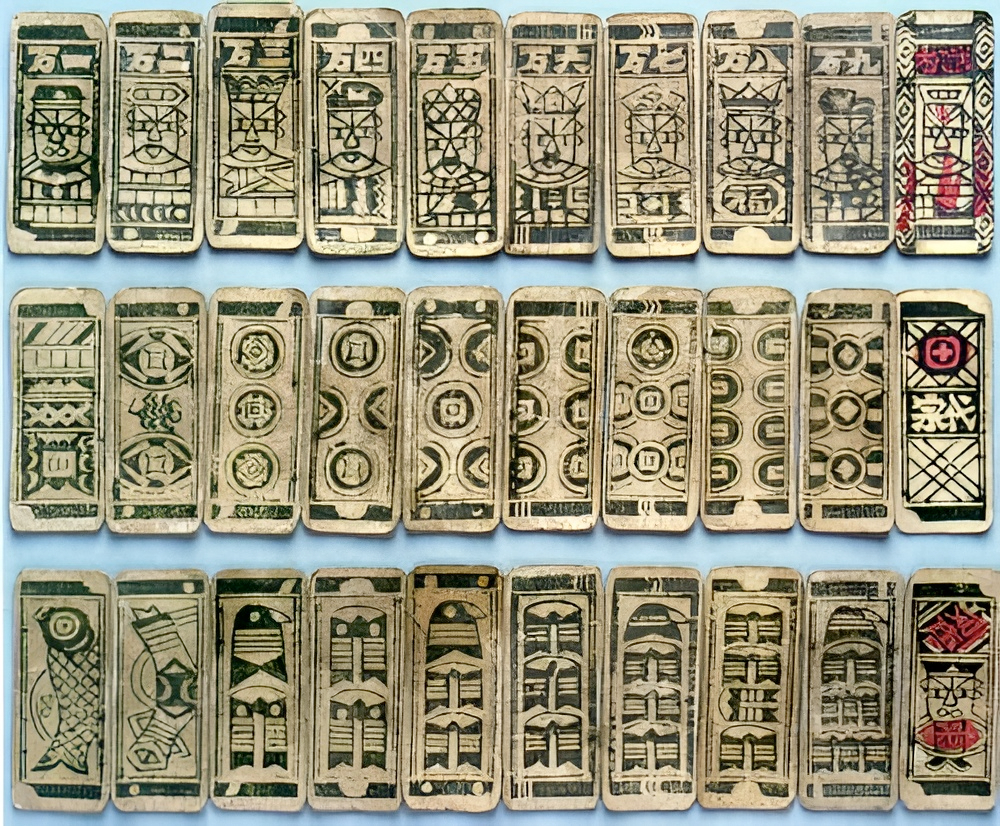
These early experiments with layout and relief printing soon led to another conceptual leap. Around 1045 AD, the Chinese alchemist Pi Sheng extended the block printing process by developing movable typography using baked clay characters. While this early movable type was not widely adopted in Asia due to the thousands of characters required in the Chinese language, Pi Sheng’s invention proves that the mechanics of typesetting existed centuries before the printing press arrived in Europe.
Hangul and the Modular Grid
While Chinese craftsmen were developing the mechanics of printing, a profound conceptual contribution to modern design structure emerged from Korea. In 1446, the Korean monarch Sejong introduced Hangul, one of the most scientifically and structurally brilliant writing systems ever invented.
It is important to understand that Hangul is a writing system, not a printing technology, but its design is a revelation for visual communicators. Hangul did not just represent sounds; it functioned as a brilliantly structured, modular typographic grid. Abstract consonant and vowel shapes were combined within an imaginary rectangle to form distinct syllabic blocks.
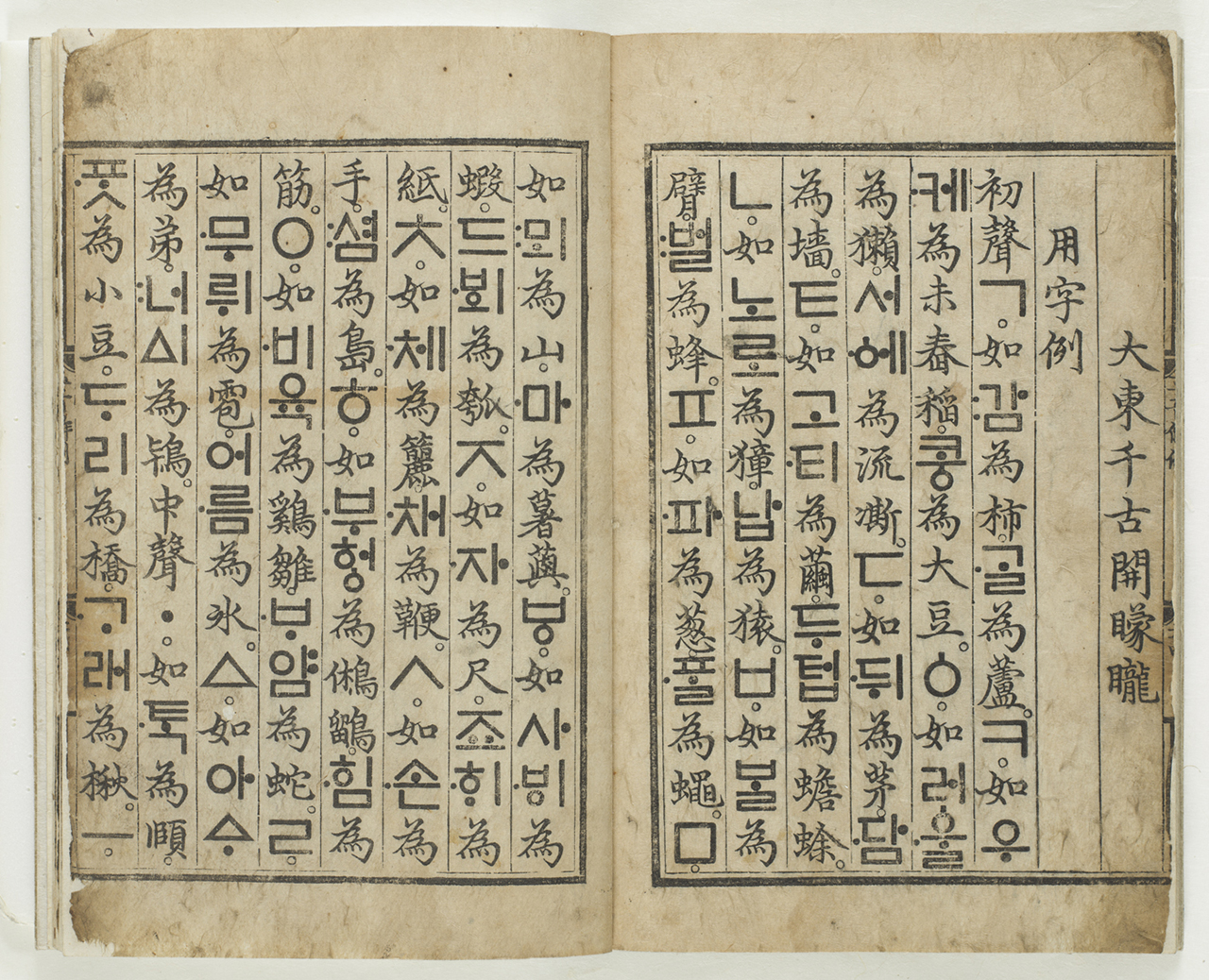
To the modern graphic designer, Hangul is a masterclass in layout. It proves that grid-based, modular typographic construction existed in Asia centuries before the Bauhaus or the Swiss Modernists ever drew a baseline.
The Kinetic Rhythm of the Middle East
While East Asia was perfecting the physical mechanics of the printed page and modular writing, the Islamic world was mastering visual harmony. Let’s shift our geography to the West Asia during the medieval era to explore how Islamic manuscript design perfected the structural harmony of text and negative space.
Driven by aniconism—a religious restriction against depicting living figures—Islamic artists channeled their creative mastery entirely into geometric decoration and exquisite calligraphy. The cursive Naskhi style of calligraphy is a profound example of this structural brilliance. Designed for writing on papyrus and paper, the Naskhi style utilizes tall, rhythmic vertical ascenders followed by sweeping horizontal curved strokes below.
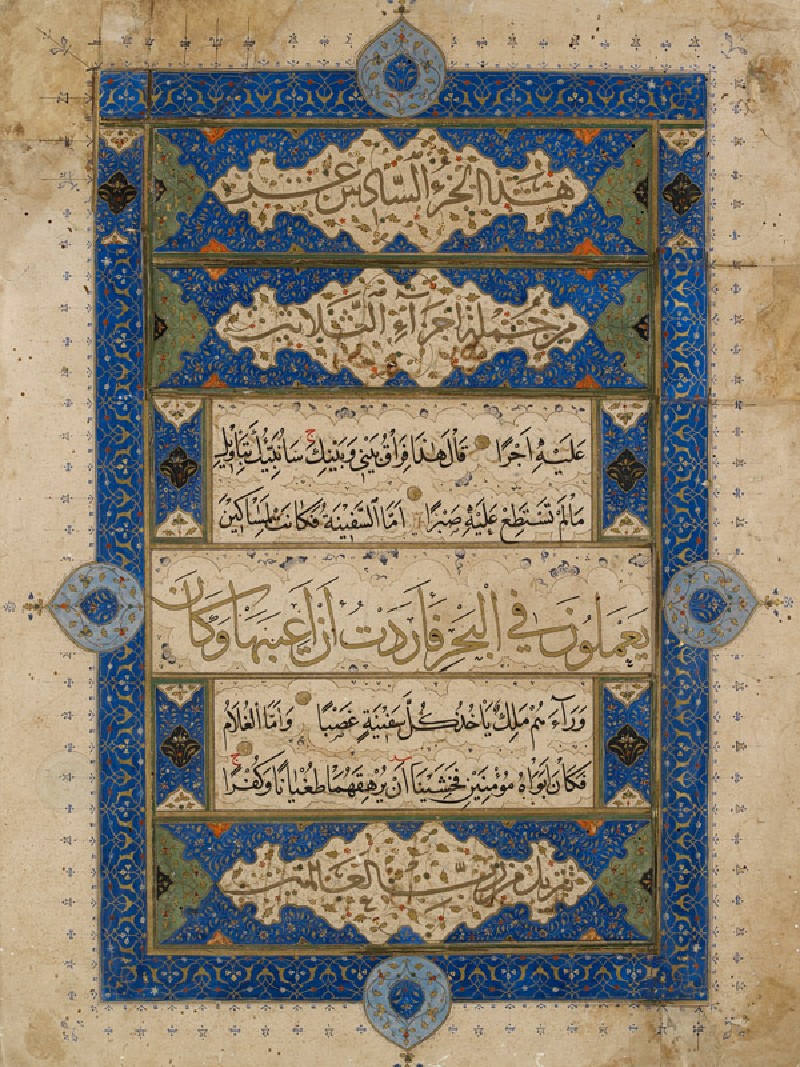
This specific combination creates a beautiful kinetic rhythm as the eye moves across the page. Unlike the dense, dark, and often blocky European manuscripts of the same era, Islamic calligraphy treated the white space of the page as a vital, concrete form. The negative spaces were just as important as the inked letters, resulting in a perfectly balanced integration of text and decoration. For the contemporary designer, studying the fluid, structural beauty of the Naskhi script provides an incredible lesson in visual hierarchy and the kinetic flow of typography.
The Road to Mainz
As inhabitants of the modern age, our design systems are inherently global. The brilliant inventions of the East Asia and the West Asia did not remain isolated. Through the vast trade networks of the Silk Road and expanding empires, the secrets of paper-making, relief printing, and structural calligraphy slowly migrated westward. They traveled from China, through the Islamic world, and eventually arrived at the shores of Europe.
This migration was the catalyst that made the European printing revolution possible. When Johannes Gutenberg developed his printing press in Mainz, Germany, he was printing on paper—an Eastern invention. However, we must not erase Gutenberg’s monumental contribution. Gutenberg did not merely copy an Asian idea; he invented the highly precise, reusable metal type mold, mechanizing European typography in a way that forever changed the world.
With the secret of paper reaching Europe and the metal type mold perfected, the stage was set for a typographic explosion. In our next post, we will explore how a new generation of European masters took this foundational canvas and crafted the classical typefaces we still read today in The Golden Age of Typography.
More writing
The Architecture of Information: Swiss Design and the Grid
After World War II, a rapidly globalizing world needed a universal visual language that could cross borders without cultural misunderstandings. Explore how the pioneers of Swiss Design stripped…
Art Directing America: The Golden Age of Editorial Design
In the post-war era, American art directors broke free from traditional grids to turn the printed page into a cinematic, cultural experience. Explore how the visionary minds of…
Designing the Corporation: American Modernism and the Rise of Visual Systems
In the post-war era, American businesses rapidly evolved into massive multinational corporations that demanded rigorous visual order. Explore how modernist designers like Paul Rand and Lester Beall tamed…