The Architecture of Information: Swiss Design and the Grid

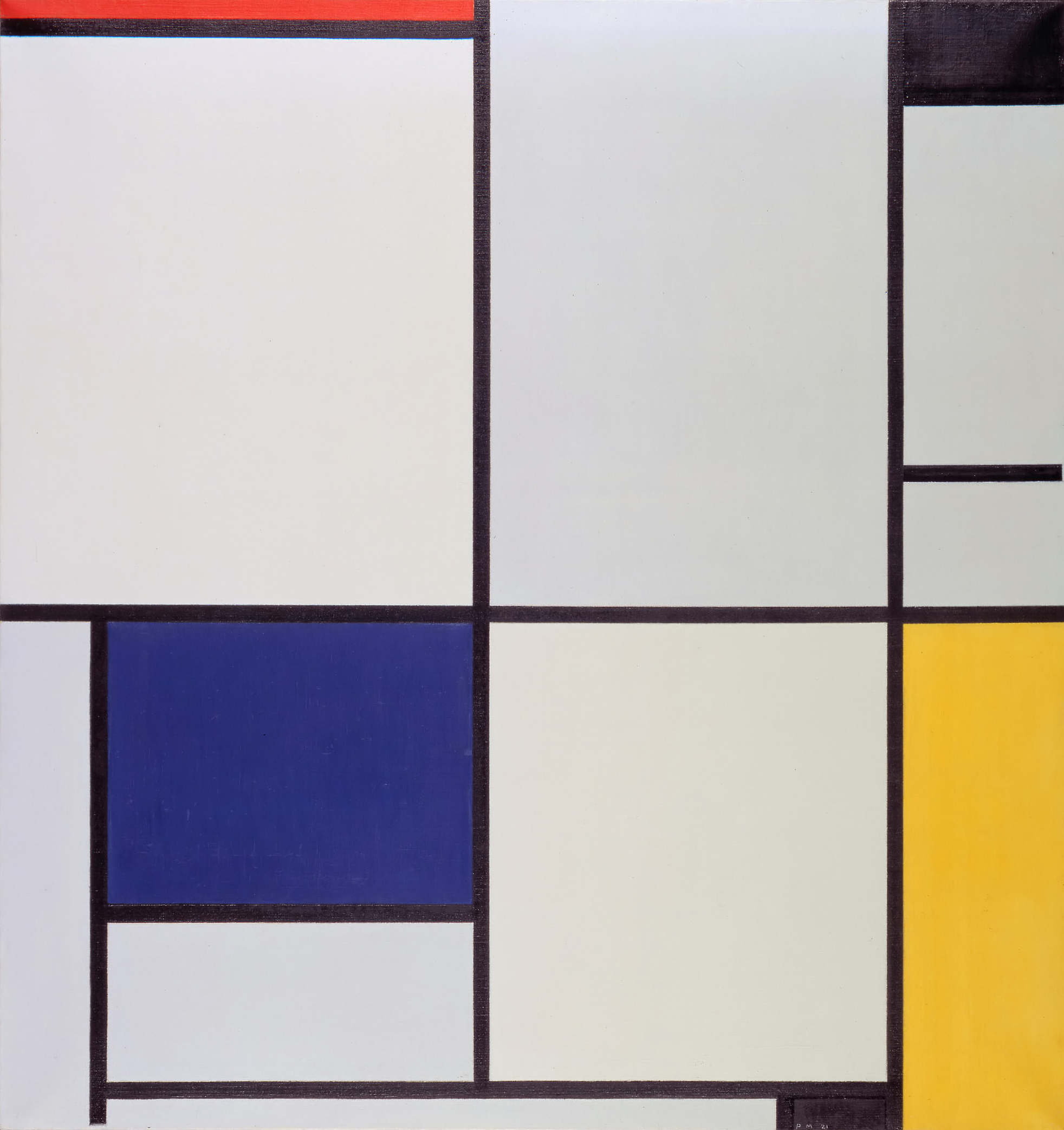
After World War II, a rapidly globalizing world needed a universal visual language that could cross borders without cultural misunderstandings. Explore how the pioneers of Swiss Design stripped away personal expression to create a mathematical, objective “operating system” for modern information architecture.

Latest Posts

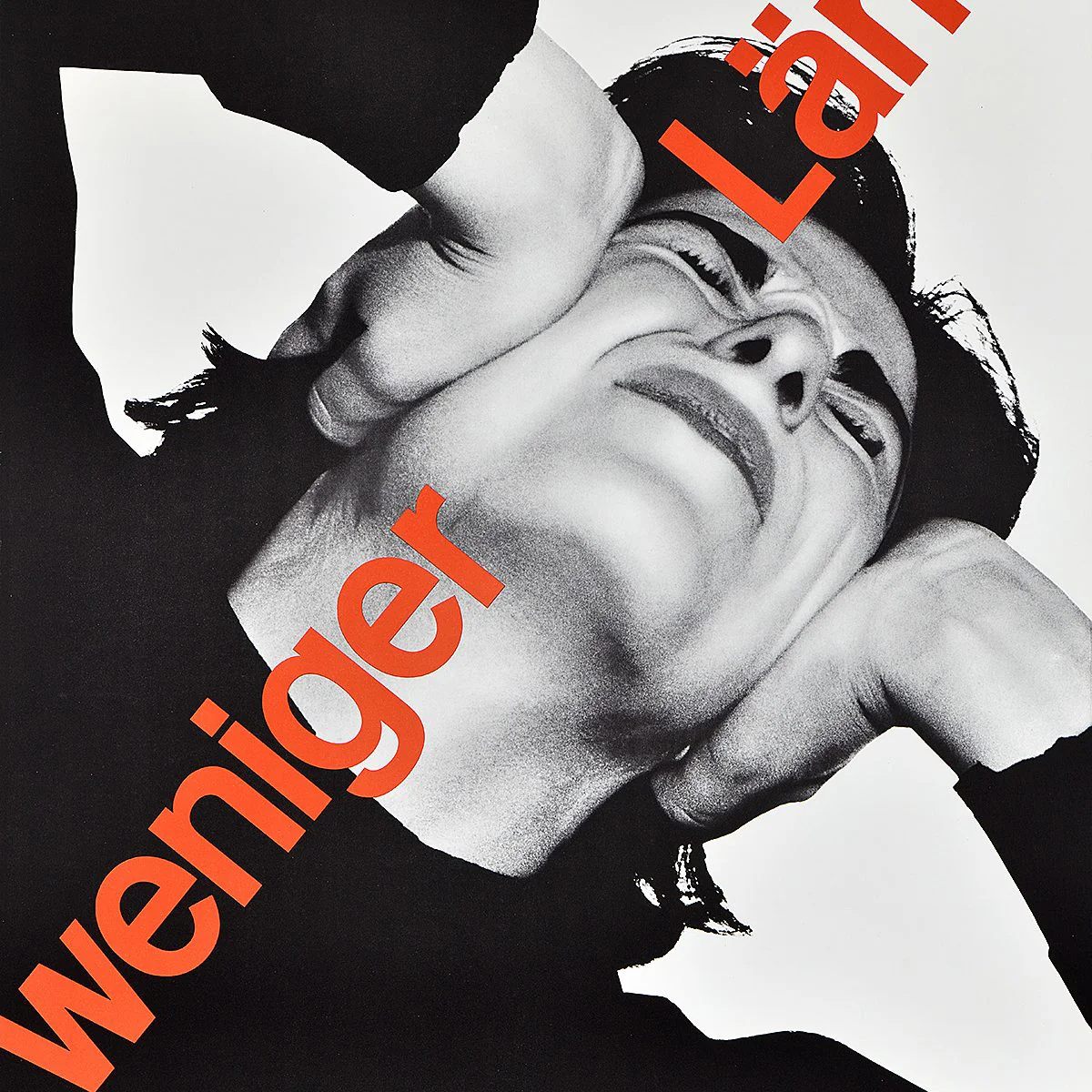
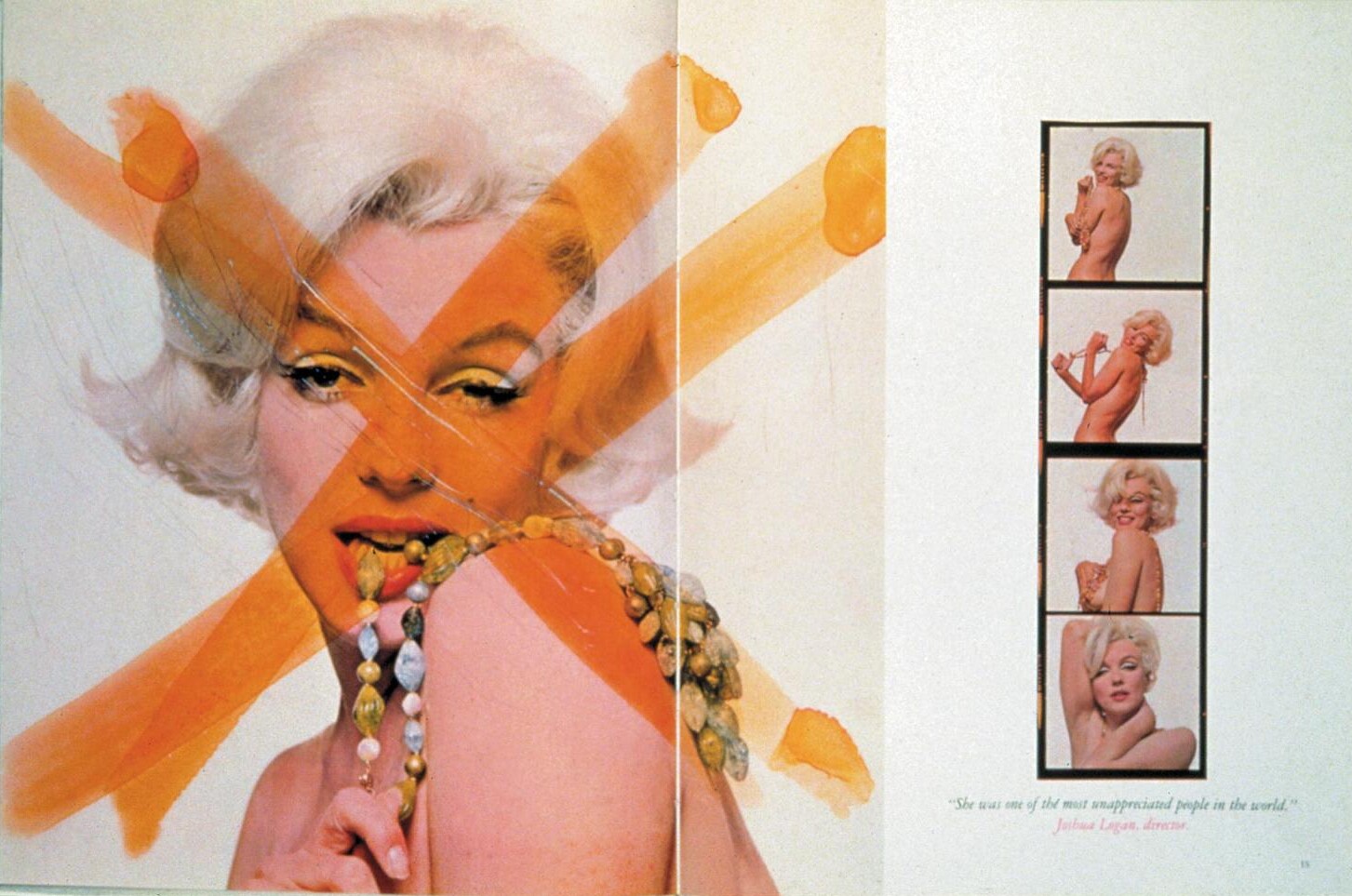
Art Directing America: The Golden Age of Editorial Design

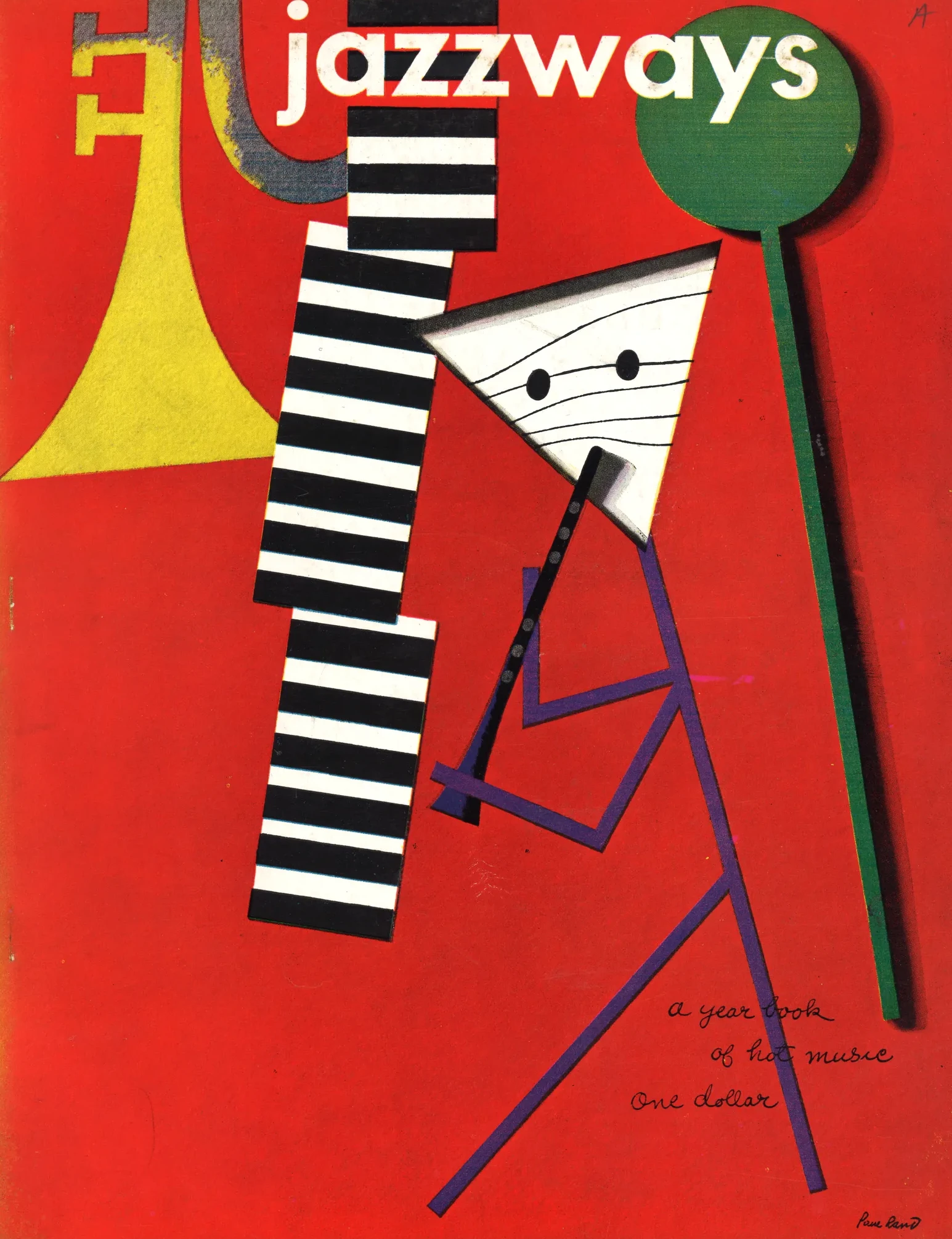
In the post-war era, American art directors broke free from traditional grids to turn the printed page into a cinematic, cultural experience. Explore how the visionary minds of the New York School—from Alexey Brodovitch to George Lois—revolutionized advertising, typography, and the modern magazine cover.
Keep Reading...

Designing the Corporation: American Modernism and the Rise of Visual Systems

In the post-war era, American businesses rapidly evolved into massive multinational corporations that demanded rigorous visual order. Explore how modernist designers like Paul Rand and Lester Beall tamed this commercial chaos, turning simple illustrative trademarks into the comprehensive, mathematically engineered visual systems that still govern global communication today.

Keep Reading...

Art Deco: Streamlined Glamour

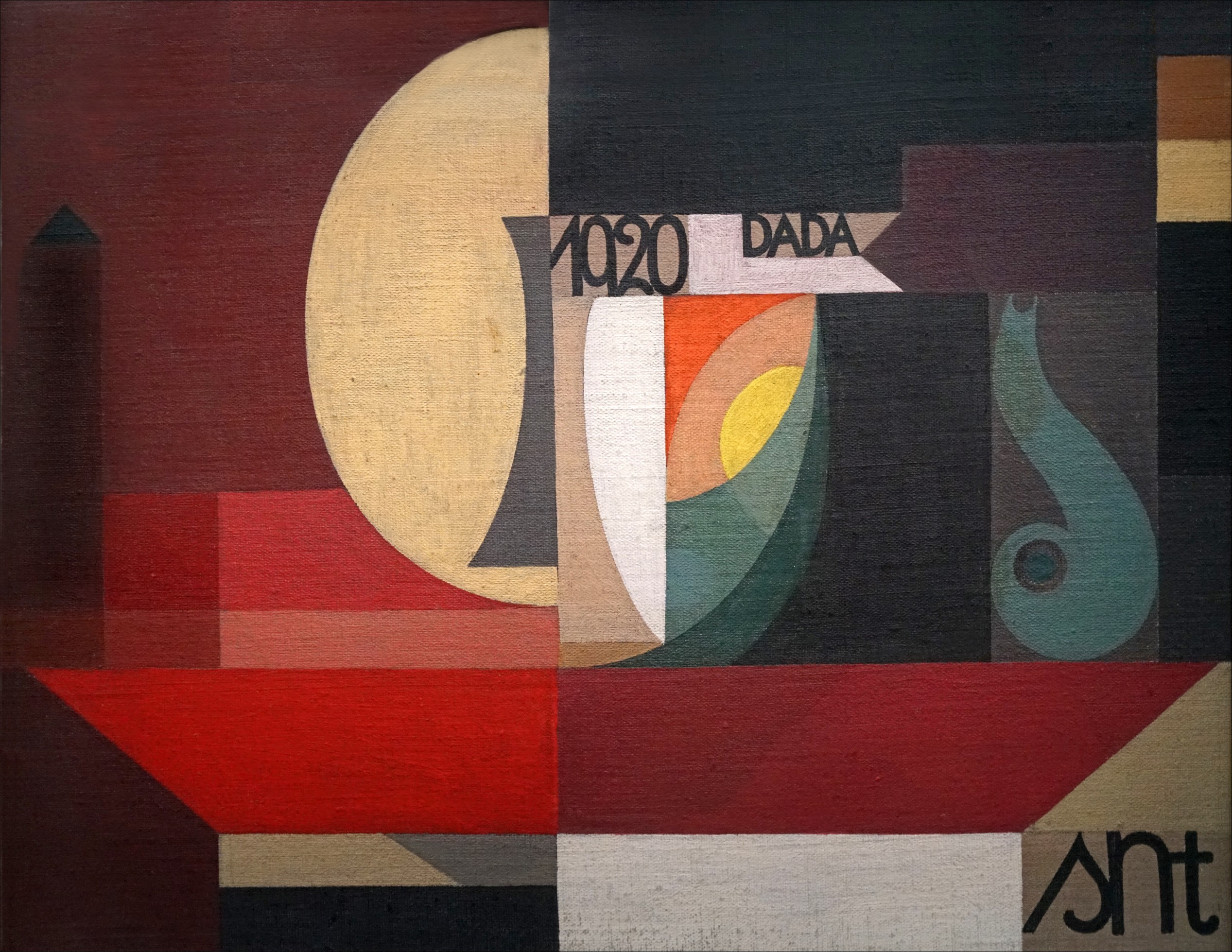
Following the strict, functional rules established by the Bauhaus, the Roaring Twenties demanded a visual language that was fast, luxurious, and aerodynamic. Discover how Art Deco designers repackaged avant-garde Cubism into a glamorous commercial aesthetic, turning the printed poster into a monumental celebration of the machine age.

Keep Reading...

Do you want me to write about something you are curious about?
Just drop me a line

Search in blog posts